
Drop Out Fuse & Fuse Cutout Manufacturer
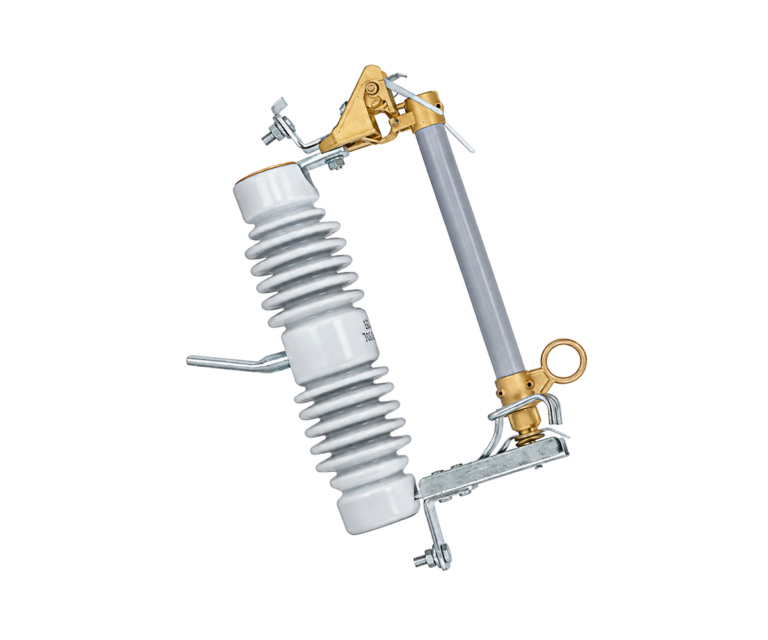
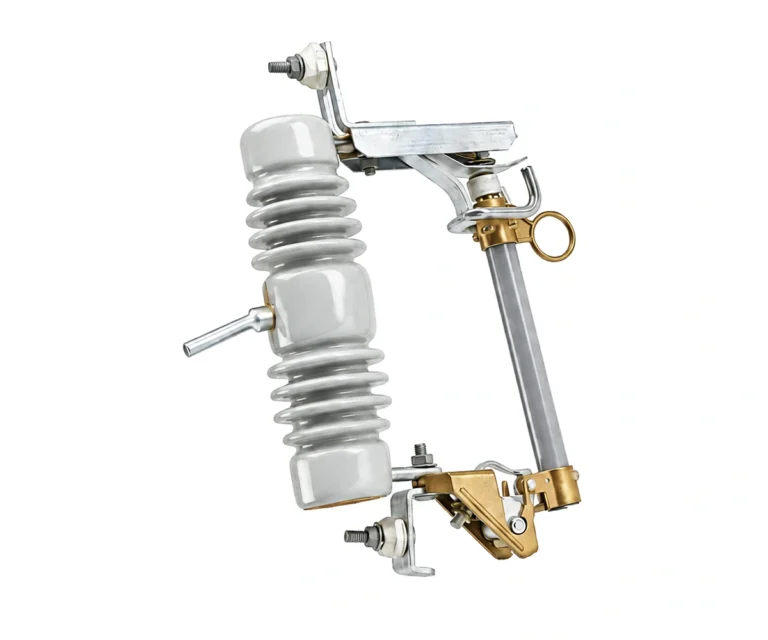
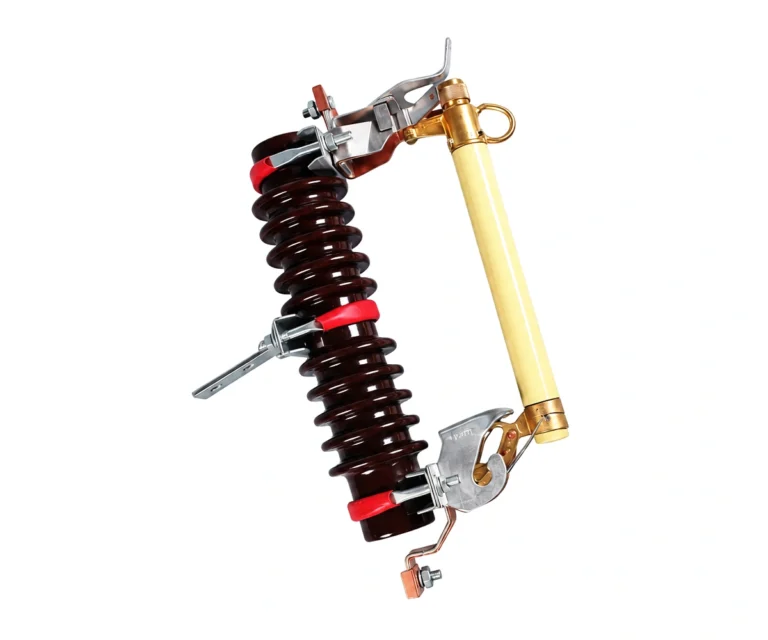
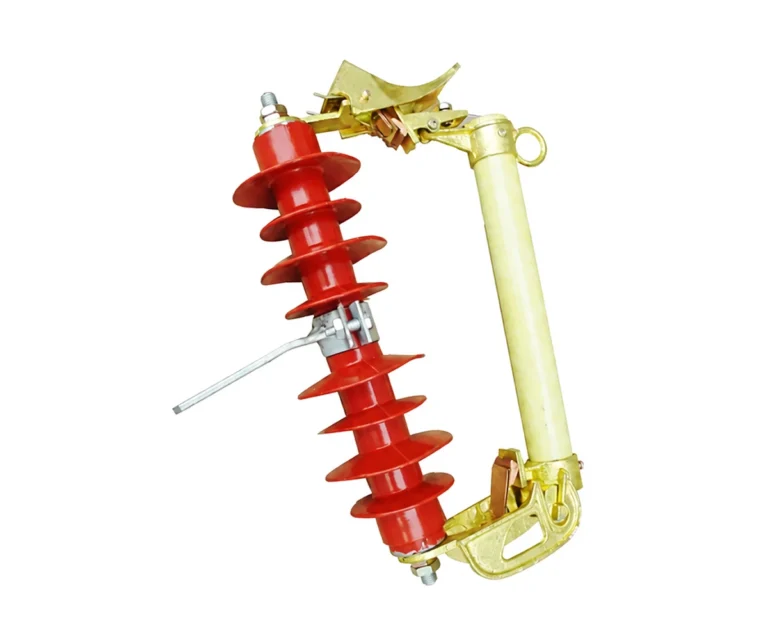
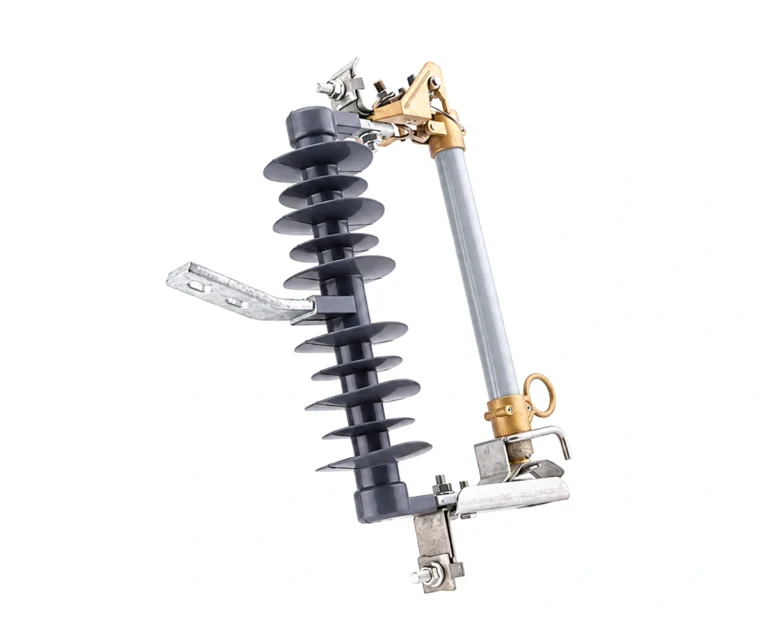
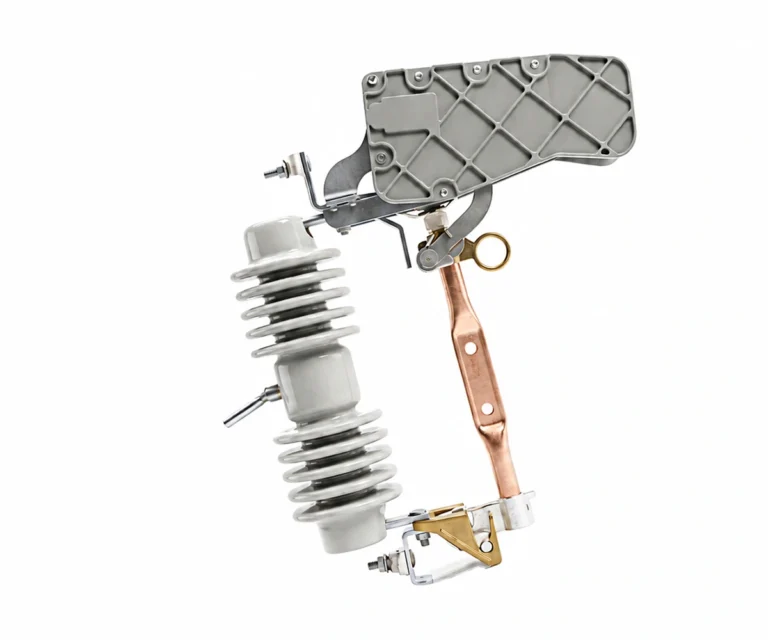
Drop Out Fuses & Fuse Cutouts for Overhead Distribution
- Product range: drop out fuses, expulsion fuse cutouts and compatible fuse links.
- Applications: overhead distribution lines and distribution-transformer protection.
- Selection: confirm the cutout rating, fuse-link coordination, insulation and mounting arrangement.
Drop Out Fuse Selection Guide
Voltage
Confirm equipment rated voltage
Current
Coordinate cutout and fuse-link ratings
Protection
Verify interrupting duty and time-current curves
Standard
IEC 60282-2; verify report scope
Drop Out Fuse & Fuse Cutout Models
Compare drop-out fuses and fuse cutouts by voltage rating, rated current, interrupting capacity, and insulation type. Select compatible fuse links for your overhead distribution and transformer protection requirements.
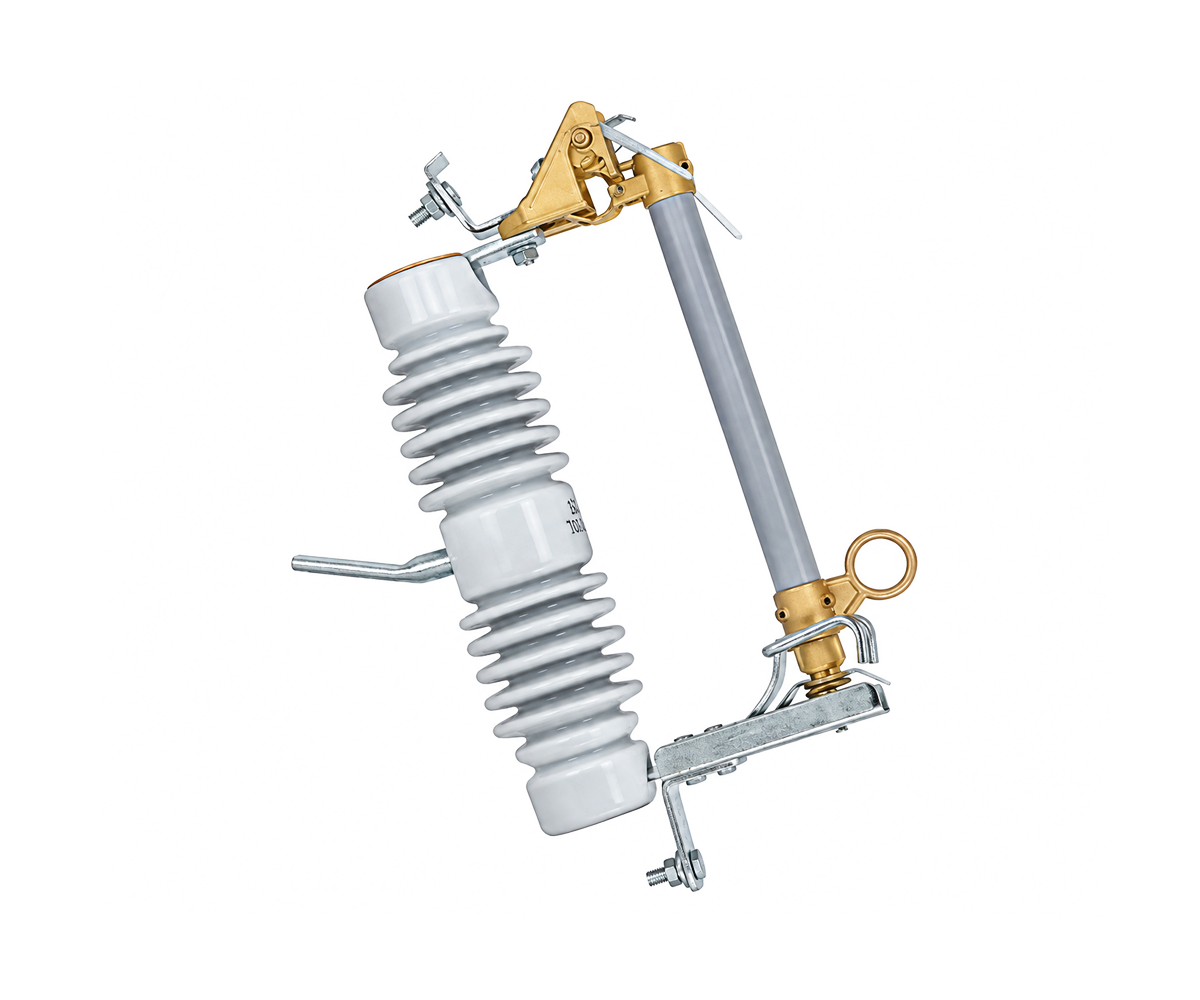
Cut Out Fuse
12 kV outdoor drop-out fuse for distribution feeders and transformer protection. Match the fuse link characteristics and interrupting capacity to your network requirements.
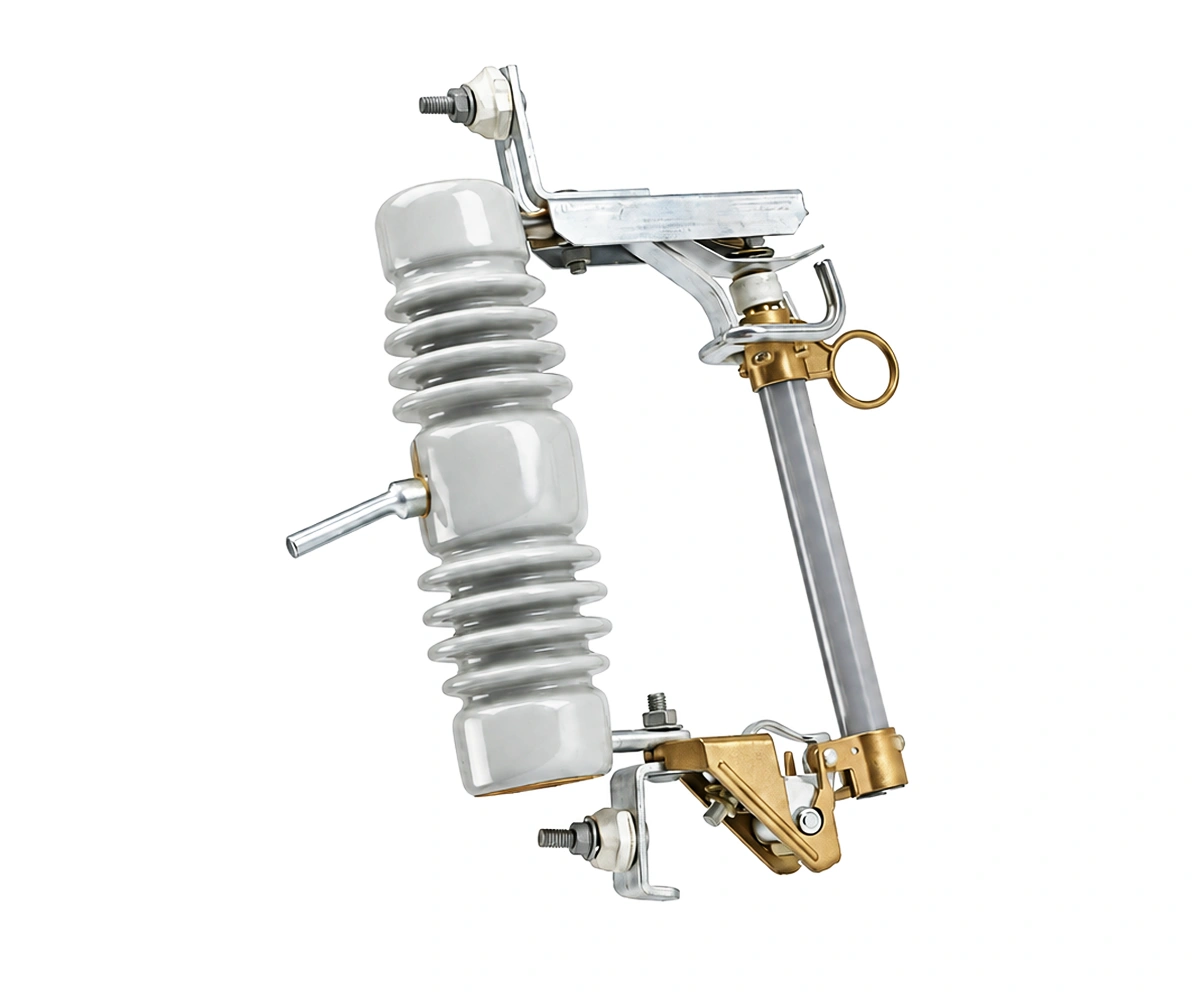
11 kV Drop Out Fuse
11 kV drop-out fuse for overhead distribution networks. Select the fuse link according to transformer loading, fault levels, and protection coordination requirements.
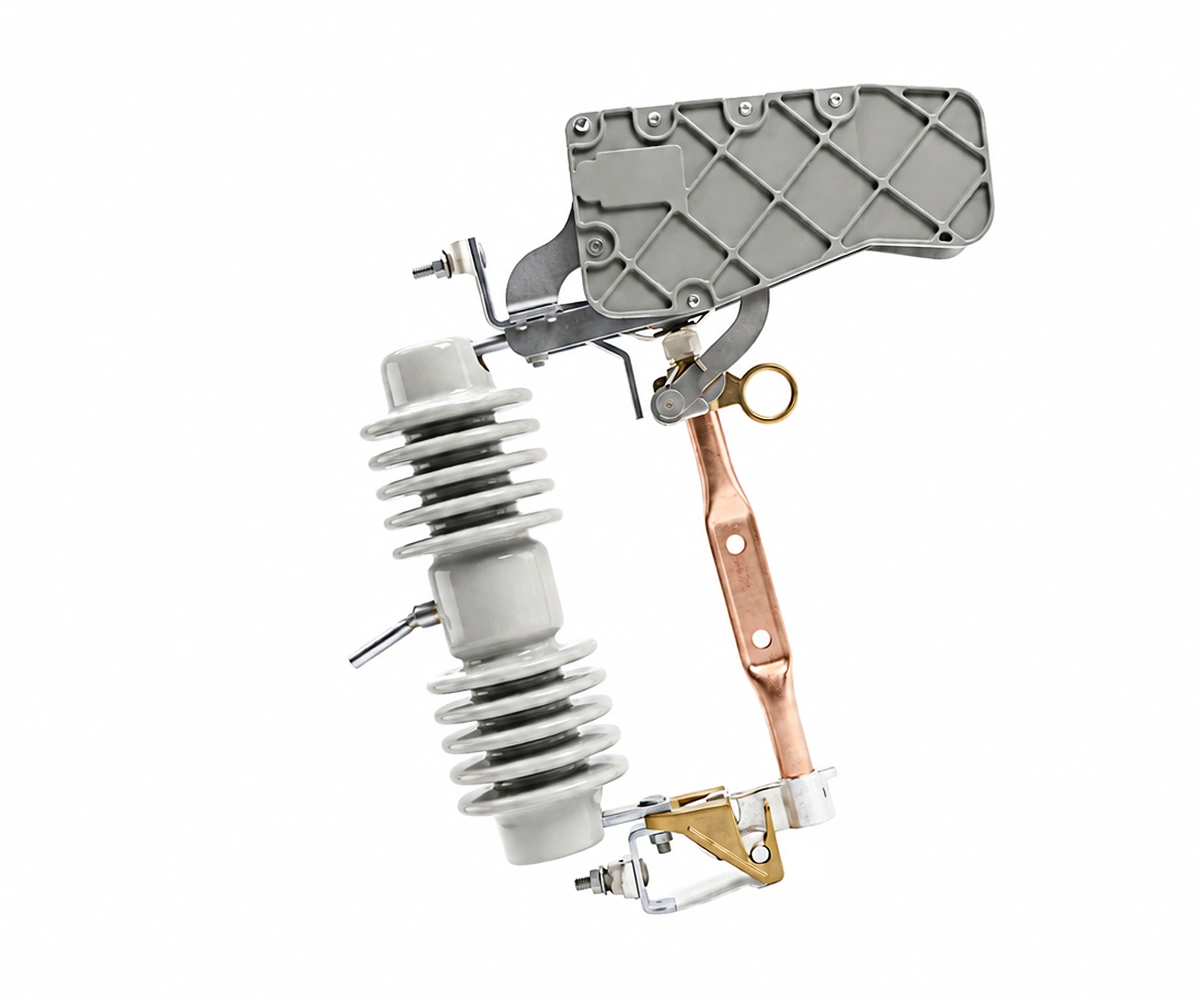
Fuse Cutout
15 kV fuse cutout for outdoor distribution applications. Confirm the insulation level, mounting arrangement, and fuse link compatibility against your project specification.
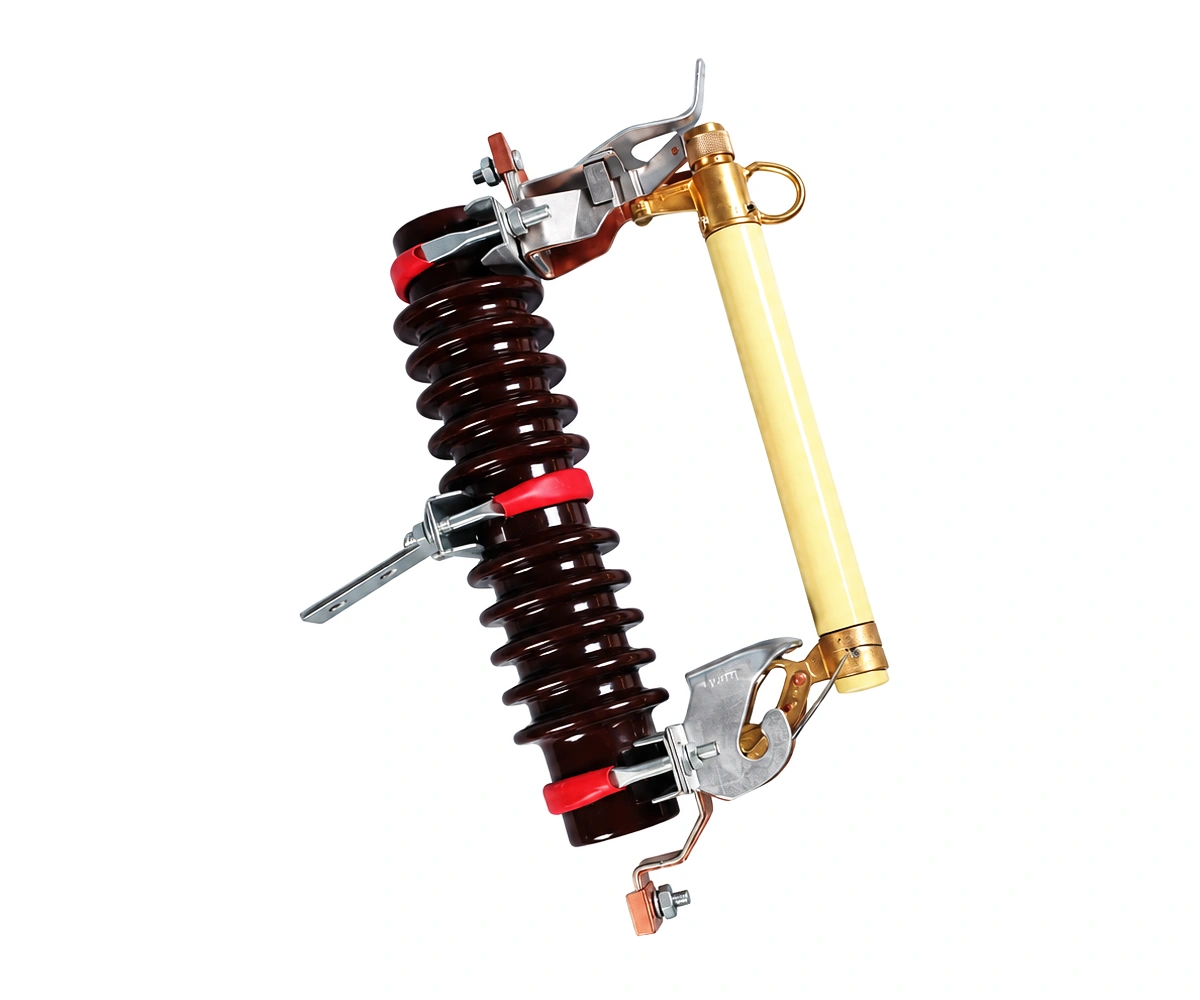
100 A Fuse Cutout
11 kV outdoor fuse cutout for distribution feeder projects. Review the rated current, creepage distance, and interrupting capacity for your installation conditions.
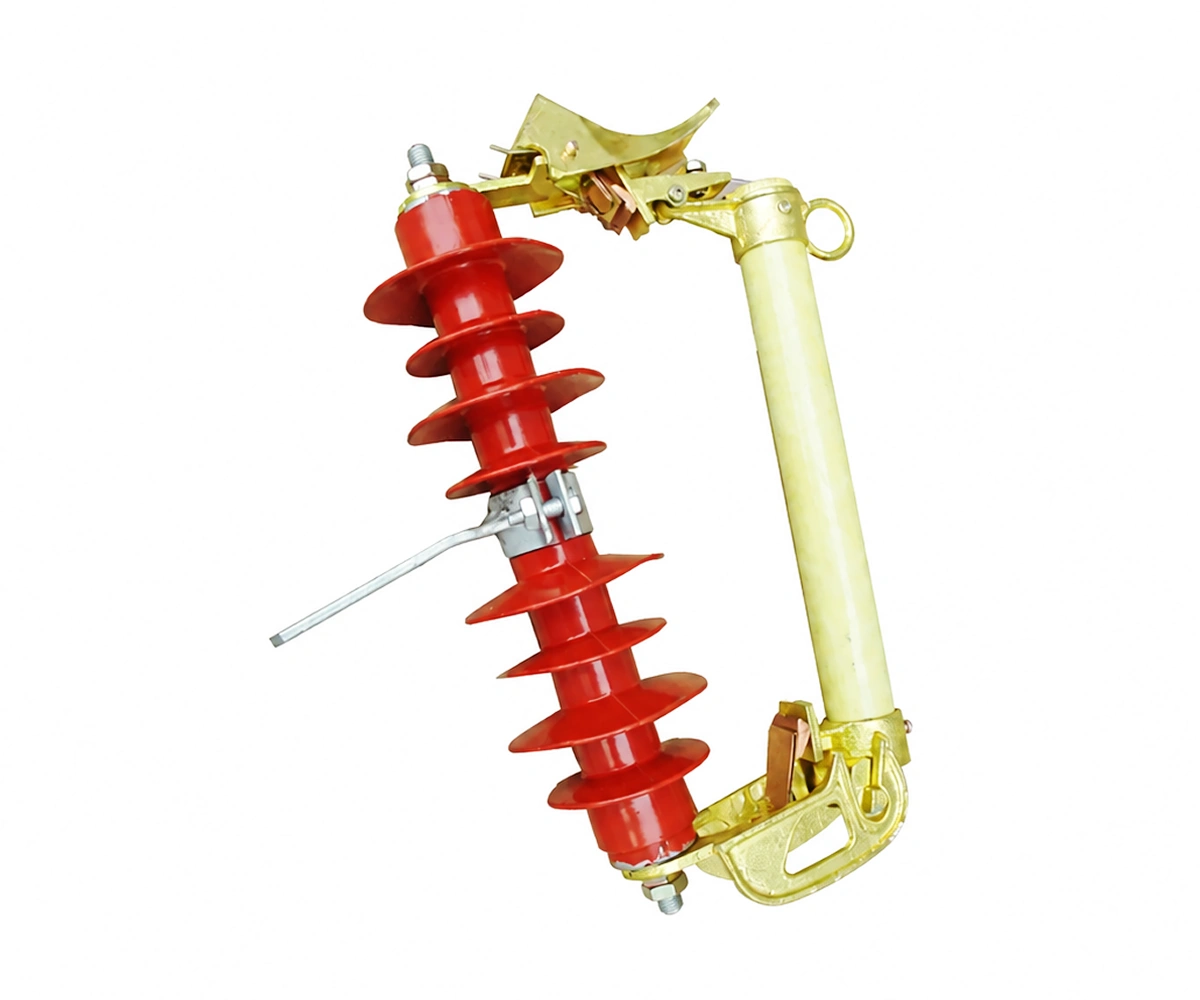
200 A Fuse Cutout
200 A fuse cutout for overhead distribution applications. Select a compatible fuse link and coordinate its operating characteristics with upstream and downstream protection.
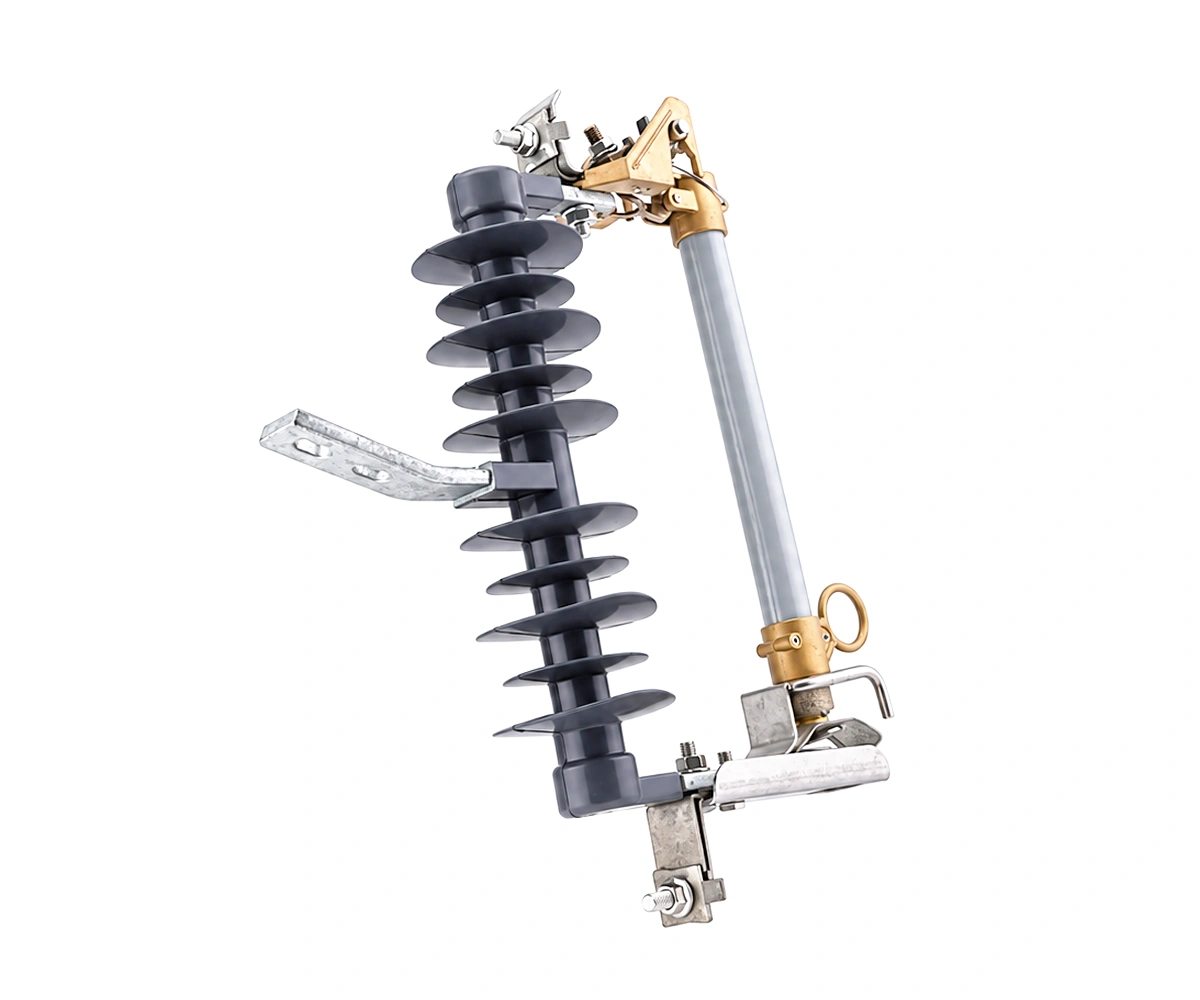
Drop Out Fuse
33 kV drop-out fuse for utility distribution and transformer protection projects. Confirm the voltage rating, insulation requirements, and available fault current before selection.
Drop Out Fuse Technical Specifications
Key parameters including rated voltage, rated current, breaking capacity and electrical performance data.
| Parameter | Unit | 11kV | 15kV | 27kV | 33kV | 40.5kV |
|---|---|---|---|---|---|---|
| System Voltage | kV | 11 | 15 | 27 | 33 | 40.5 |
| Rated Frequency | Hz | 50 / 60 | 50 / 60 | 50 / 60 | 50 / 60 | 50 / 60 |
| Rated Continuous Current | A | 100 / 200 | 100 / 200 | 100 / 200 | 100 / 200 | 100 / 200 |
| Maximum Continuous Current of Fuse Support | A | ≤300 | ||||
| Rated Breaking Current / Breaking Capacity | kA rms | 6.3 – 12.5 | ||||
| Rated Short-Duration Power-Frequency Withstand Voltage (1 min) | kV rms | 28 | 38 | 70 | 70 | 80 |
| Rated Lightning Impulse Withstand Voltage (BIL) | kV peak | 75 | 95 | 150 | 170 | 185 |
| Creepage Distance (Selected According to Pollution Level) | mm | ≥220 / 320 | ≥320 | ≥470 | ≥660 / 720 / 900 | ≥900 |
| Short-Time / High-Current Withstand Capability | kA | According to Type-Test Values of the Fuse Support / Disconnect Blade | ||||
| Insulator Material | — | Porcelain / Silicone Rubber / Composite Insulation | ||||
| Fuse-Link Type | — | Expulsion Fuse Link, Removable / Replaceable | ||||
| Fuseholder Type | — | Drop-Out Expulsion Fuseholder / Interchangeable Type (Model Dependent) | ||||
| Application | — | Overcurrent / Short-Circuit Protection for Distribution Transformers and Overhead Feeders | ||||
| Installation Type | — | Outdoor, Pole / Crossarm Mounted | ||||
| Mounting Arrangement | — | Underhung / Crossarm Bracket, Project Dependent | ||||
| Terminal Connection | — | Clamp / Eyebolt / Project Specified | ||||
| Reference Standards | — | IEC 60282-2 / IEC 60071-1 / IEC 60060-1 | ||||
| Service Environment | — | Outdoor Distribution System | ||||
| Weight (Configuration Dependent) | kg | Approx. 4–18 kg | ||||
Drop Out Fuse Features and Benefits
Explore the features that matter when specifying drop out fuses for overhead distribution networks. From transformer protection and visible fuseholder position to maintenance access and installation compatibility, these considerations help EPC contractors, utilities, and distribution engineers assess the right configuration for their project. Final selection depends on the selected model and application requirements.

Line and Transformer Protection
Fuse link provides overcurrent protection for distribution lines and transformers, isolating faulty circuits and limiting fault damage.
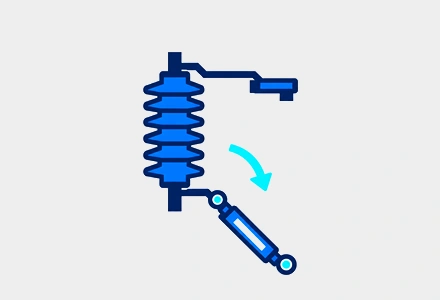
Clearly Visible Dropout Position
Fuseholder drops to an obvious open position after operation, easy for field crews to inspect fault status visually.
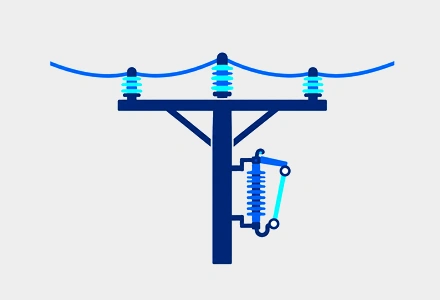
Designed for Outdoor Distribution
Complete cutout assembly with insulator and mounting hardware, built for overhead outdoor power distribution installation.
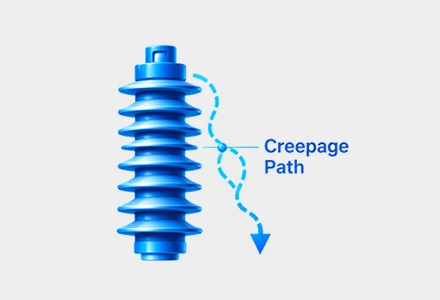
Insulation Matched to Site Conditions
Insulator provides electrical isolation and defined creepage path, adaptable for humid and polluted working environments.

Replaceable Fuse Links for Maintenance
Only replace fuse link after fault, reuse other intact components, simplify maintenance and reduce spare part cost.

Practical Mounting and Connection
Standard mounting bracket and terminals, convenient installation, clear conductor interface and safety clearance design.
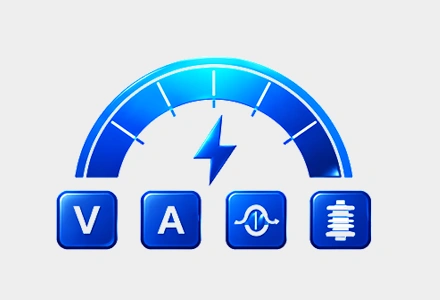
Electrical Ratings That Fit
Full range voltage, current and interrupting ratings, match power network requirement for proper protection coordination.

Support for Project Selection
Supply technical consultation, model recommendation and quotation service according to your system and site conditions.
Drop Out Fuse Applications & Project Selection
Fuse cutouts are selected for suitable overhead distribution and transformer-protection duties. Confirm protection coordination and installation suitability for each project.
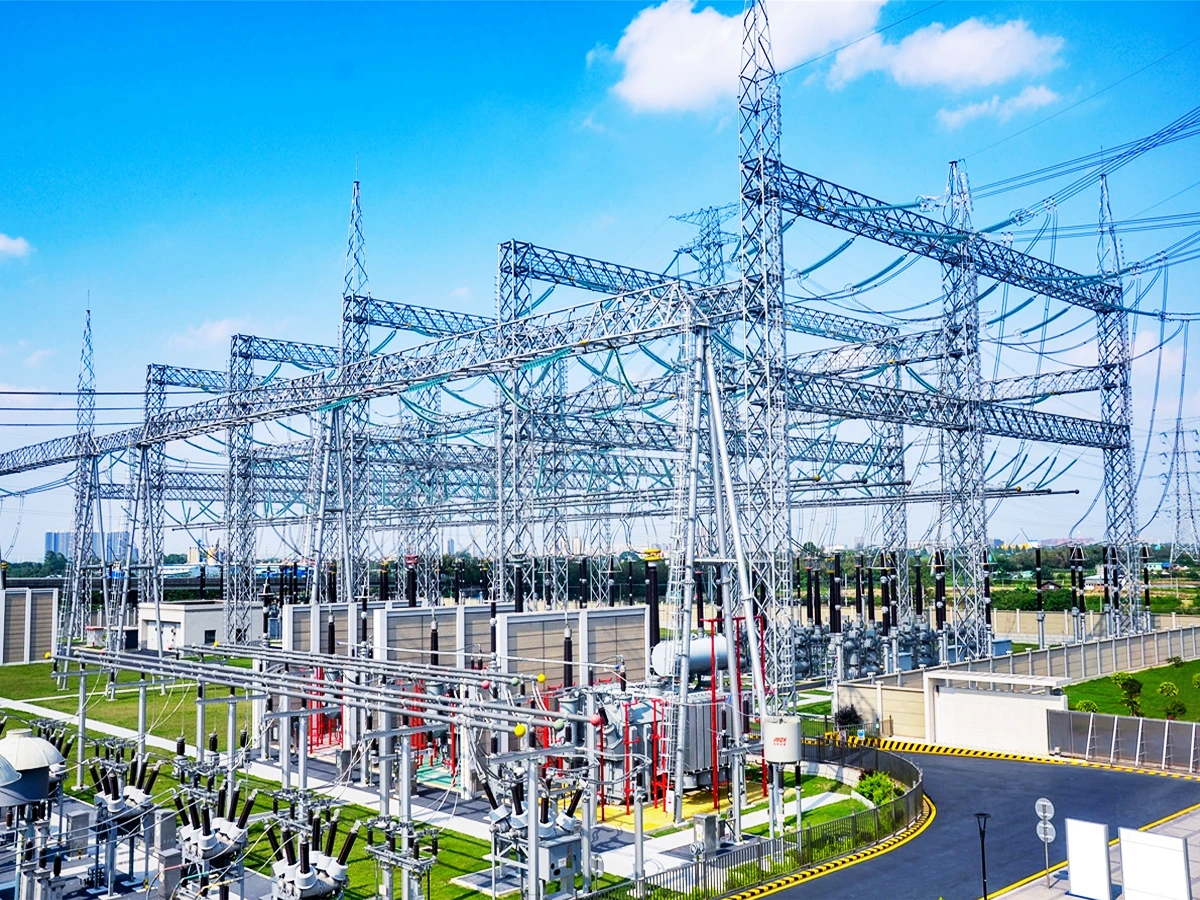
Substation
Fuse cutouts may be specified for suitable outdoor distribution-transformer circuits near substations. Confirm that the application and fault duty fall within the approved cutout ratings.
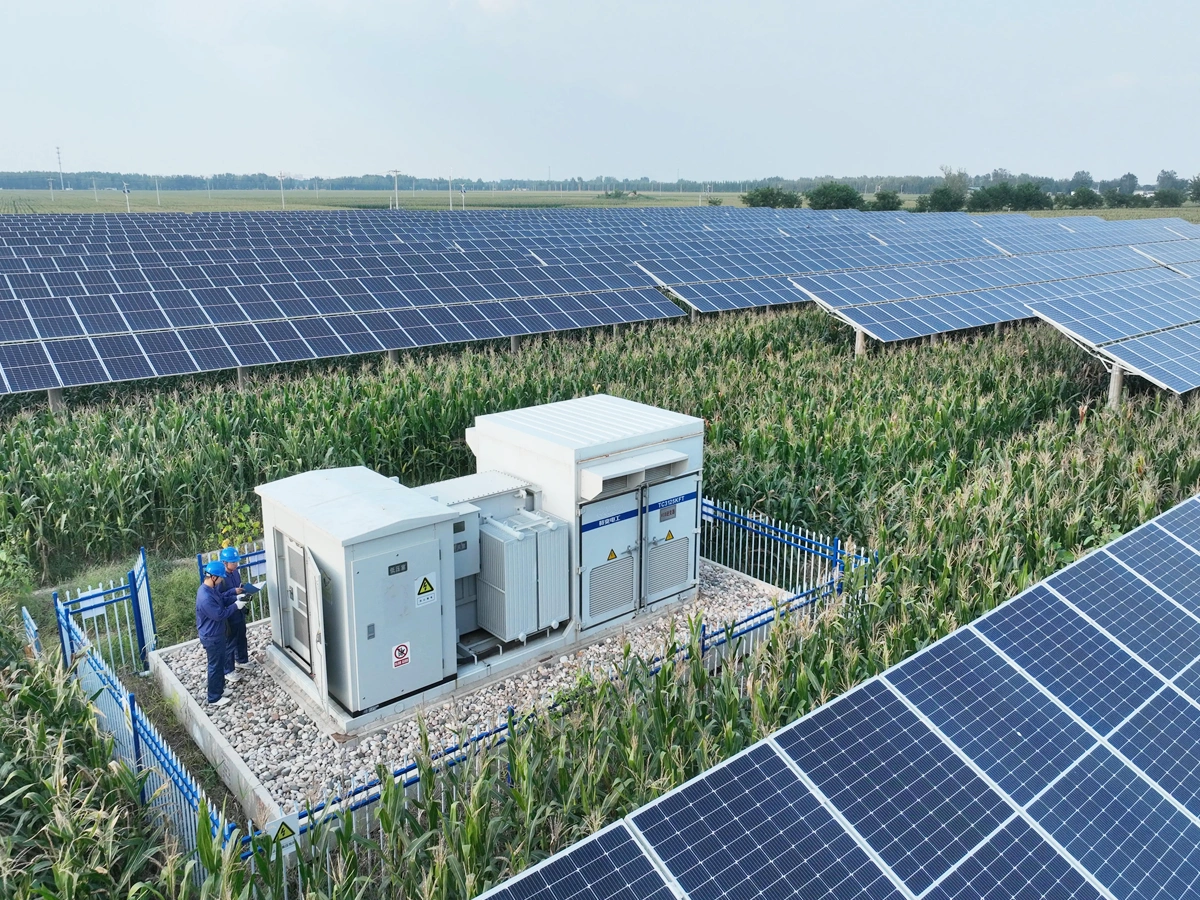
Solar Power Plants
For renewable-energy sites supplied through overhead distribution, select fuse cutouts only where the protection study specifies transformer or branch-circuit fusing.

Thermal Power Plants
Review fuse-cutout suitability for outdoor service transformers and auxiliary distribution feeders. Coordinate the fuse link with transformer inrush and upstream protection.
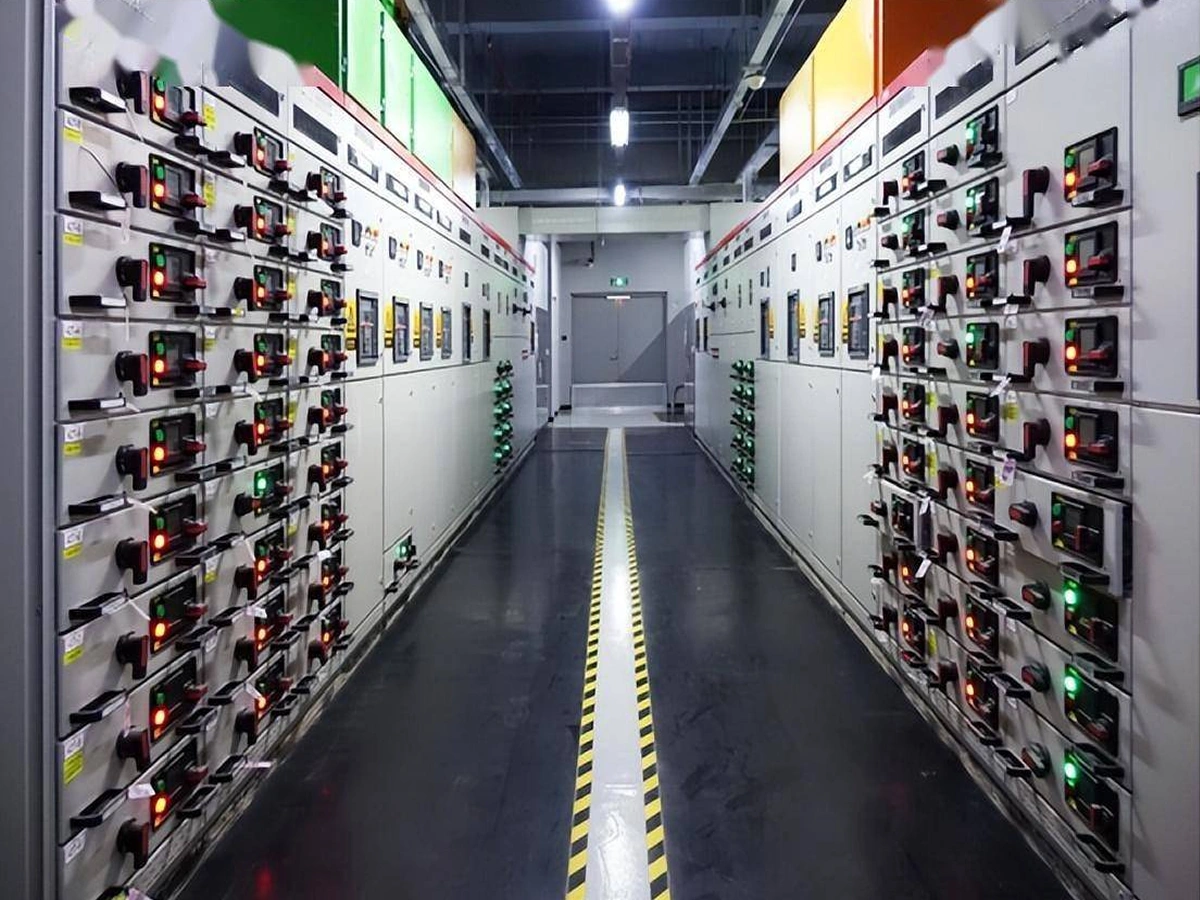
Power Distribution Networks
Drop out fuses provide overcurrent protection for suitable overhead distribution branches and transformers. Confirm conductor connections, mounting details and protection coordination.

Wind Farms
For wind-project auxiliary supplies connected to overhead lines, assess fuse-cutout suitability against the project protection scheme and environmental conditions.
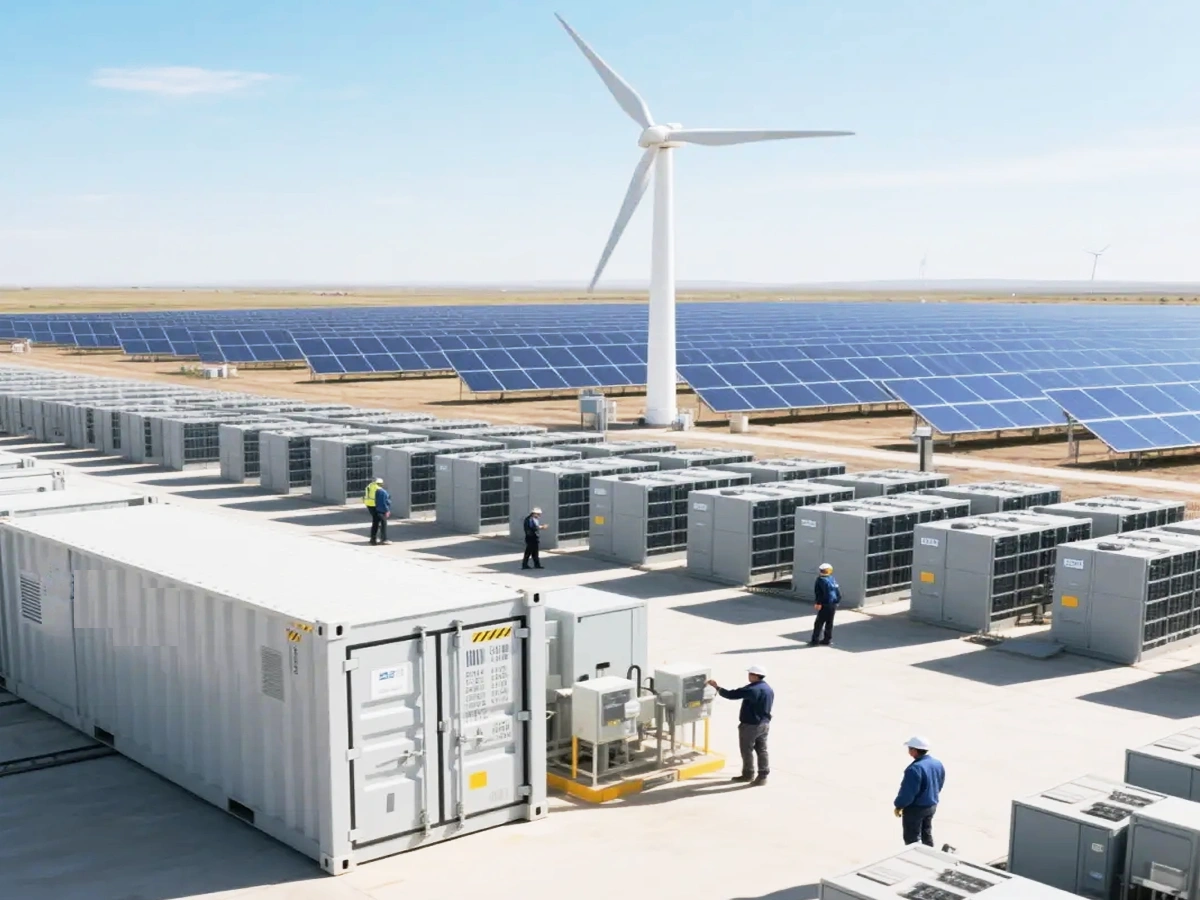
Energy Storage Power Stations
Use fuse cutouts only where the energy-storage project specifies a suitable overhead supply or transformer-protection circuit; do not substitute them for required circuit-breaker protection.
Drop Out Fuse Technical Review, Verification & Project Delivery
Confirm the fuse cutout, compatible fuse link, inspection records, test evidence and delivery requirements before placing an order. Final details must match the selected model and project specification.

Manufacturing and Factory Acceptance Testing (FAT)
Agree the inspection and test plan before manufacturing. Review materials, assembly, contact alignment, fuse-holder operation, dimensional checks and applicable electrical tests. Define any buyer-witness FAT scope and acceptance criteria in advance. 【Manual-add-here: production photos, inspection records and approved FAT scope】
Technical Review
Review the selected drop out fuse against the purchaser specification and applicable IEC 60282-2 requirements. Confirm rated voltage, current, interrupting duty, insulation level, fuse-link characteristic, terminal connections and mounting arrangement. 【待站长填写:technical reviewer name, qualifications, review date and approved model scope】
Third-Party Verification
Verify the issuing laboratory, report number, applicable standard and exact fuse-cutout and fuse-link combination. A report for another product or rating must not be presented as coverage for the offered equipment. 【待站长填写:verified laboratory, report number and model-to-report mapping】 【Manual-add-here: applicable test reports and verification links】
Commercial and Project Delivery Terms
Confirm MOQ, payment terms, warranty, spare fuse links, packaging, shipping and after-sales support in the project agreement. Production and document schedules depend on the approved configuration and quantity. 【待站长填写:approved commercial terms, delivery schedule and service commitments】
Planning a drop out fuse or fuse cutout order? Send the system and equipment voltages, load and fault currents, transformer rating, fuse-link requirements, mounting details, quantities and destination for review.
Drop Out Fuse FAQ - Technical & Purchasing Questions
Answers covering fuse-cutout selection, fuse-link coordination, installation, test documents and project delivery.
Select the cutout by equipment rated voltage, continuous current, interrupting rating and insulation level. Select the compatible fuse link using the load, transformer inrush and protection-coordination study. Confirm the offered model against its data sheet and test evidence.
Provide the mounting drawing, conductor size, terminal type and nameplate requirements. Confirm the available customization and OEM scope in the technical offer before ordering.
The schedule depends on the approved model, quantity, documentation and inspection requirements. Obtain a written production and shipment schedule for the specific order.
Request the product data sheet, installation drawing, fuse-link time-current information, inspection records and applicable type-test evidence. Agree the exact document and FAT scope in the contract.
Confirm ambient temperature, altitude, pollution, humidity, wind exposure and insulation requirements. Review mounting orientation, operating access and the selected model service conditions.
Do not assume a standard drop out fuse provides load-break switching. Load-breaking duty requires a specifically suitable device or approved operating method. Confirm the product capability and utility operating procedure before selection.
Drop Out Fuse Technical Articles & Selection Guides
Use these technical articles to understand operating principles, compare configurations, and prepare a more complete project specification before requesting a quotation.
Drop Out Fuse & Fuse Cutout Selection Guide
Review the equipment voltage, interrupting duty, insulation level and mounting requirements before selecting a fuse cutout.
Fuse-Link Characteristics & Protection Coordination
Compare fuse-link ratings and time-current characteristics with load current, transformer inrush and upstream protection requirements.
Fuse Cutout Installation & Inspection Checklist
Prepare mounting drawings, terminal details, inspection requirements and spare fuse-link information for a project-specific enquiry.